

- 1. Chongqing 3-Day Itinerary Overview
- 2. Best Time for a Chongqing 3-Day Itinerary
- 3. Chongqing 3-Day Itinerary: Day One
- 4. Chongqing 3-Day Itinerary: Day Two
- 5. Chongqing 3-Day Itinerary: Day Three
- 6. Budget for a Chongqing 3-Day Itinerary
- 7. Food Tips for Foreign Visitors
- 8. Group Tour or Independent Travel
- 9. FAQ: Common Questions for Foreign Tourists
- 10. Conclusion
- 11.Chongqing 3-Day Travel Guide: Complete Itinerary, Budget & Tips for First-Time Visitors
- 12.Recommended reading:
1. Chongqing 3-Day Itinerary Overview
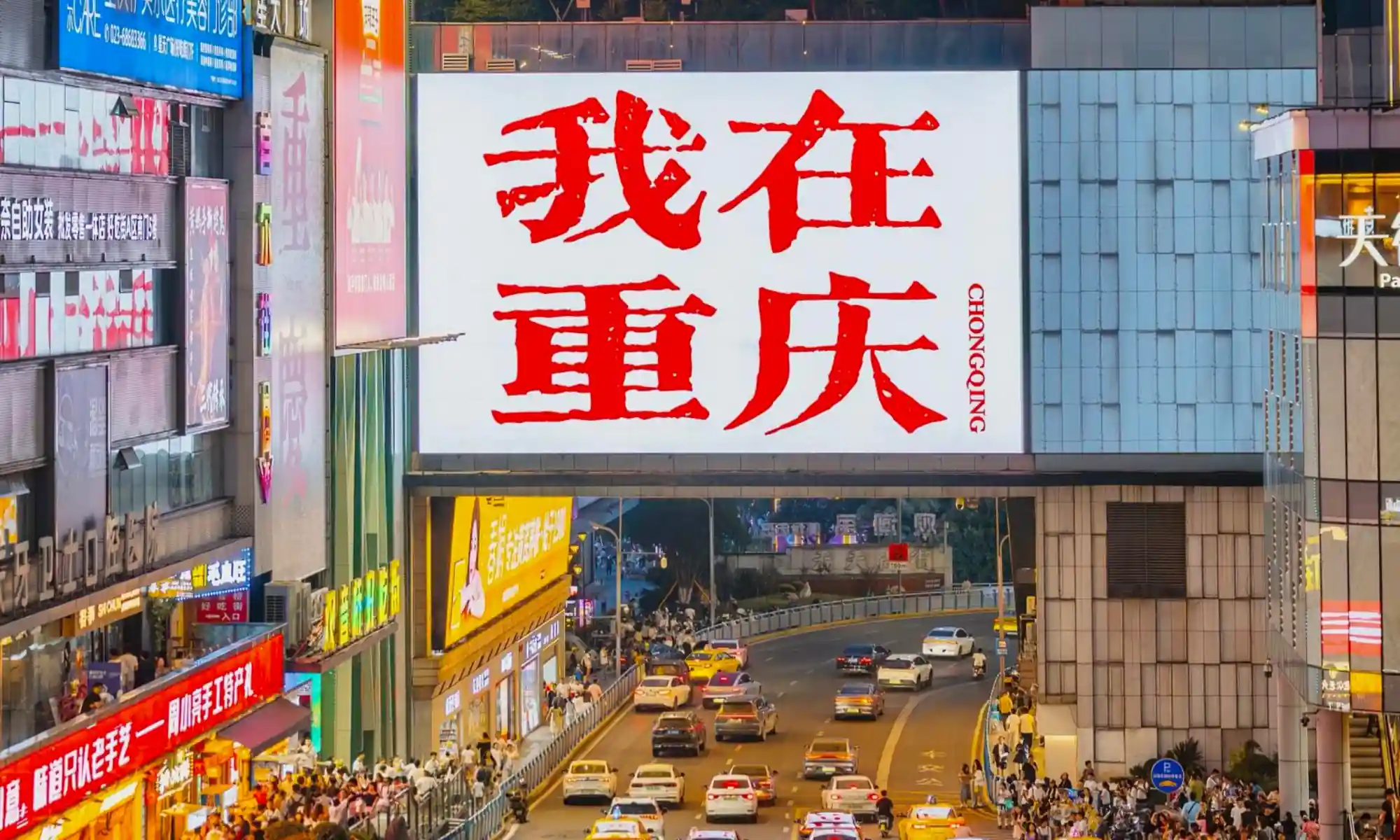
A Chongqing 3-Day Itinerary gives first-time visitors enough time to enjoy the mountain city, river views, hot pot, and night scenery.
Chongqing is hilly, so a short distance on a map can mean a long walk with stairs or bridges. With the right plan, you can avoid extra transfers and spend more time enjoying food and photos.
This Chongqing 3-Day Itinerary follows a clear order: Day 1 covers the city center, Day 2 visits Wulong (武隆), and Day 3 focuses on culture. It works well for independent travelers who want a relaxed pace.
Chongqing 3-Day Itinerary planning is not only about listing places. It should also consider language, transport, queues, meals, and rest time.
Public transport signs usually appear in Chinese and English, and major attractions have multilingual signs. By grouping nearby sights on the same day, you reduce backtracking and keep the trip comfortable.
Before you arrive, prepare these items:
- A valid passport and the documents needed for your Chinese visa.
- A bank card, cash, or a mobile payment method that works in China.
- Comfortable, non-slip walking shoes.
- Offline maps and the Chinese and English versions of your hotel address.
- Rain gear or sunscreen, depending on the season.
2. Best Time for a Chongqing 3-Day Itinerary
Spring and autumn usually offer the most comfortable weather for a Chongqing 3-Day Itinerary. Daytime temperatures are mild, which makes walking and outdoor photos more pleasant.
Summer is hot and humid, with possible afternoon showers. It is also the busiest season for hot pot and night views. Winter is foggy, damp, and cold, but tourist crowds are smaller.
No matter the season, visit popular places right after opening or in the evening. This helps you avoid midday heat and rush-hour traffic. Keep a flexible schedule in case of rain or traffic delays.
3. Chongqing 3-Day Itinerary: Day One
3.1 Morning: Jiefangbei (解放碑) and Bayi Food Street (八一美食街)
Day 1 helps you understand Chongqing’s layout and street life. The route stays in central districts, so you do not need long transfers.
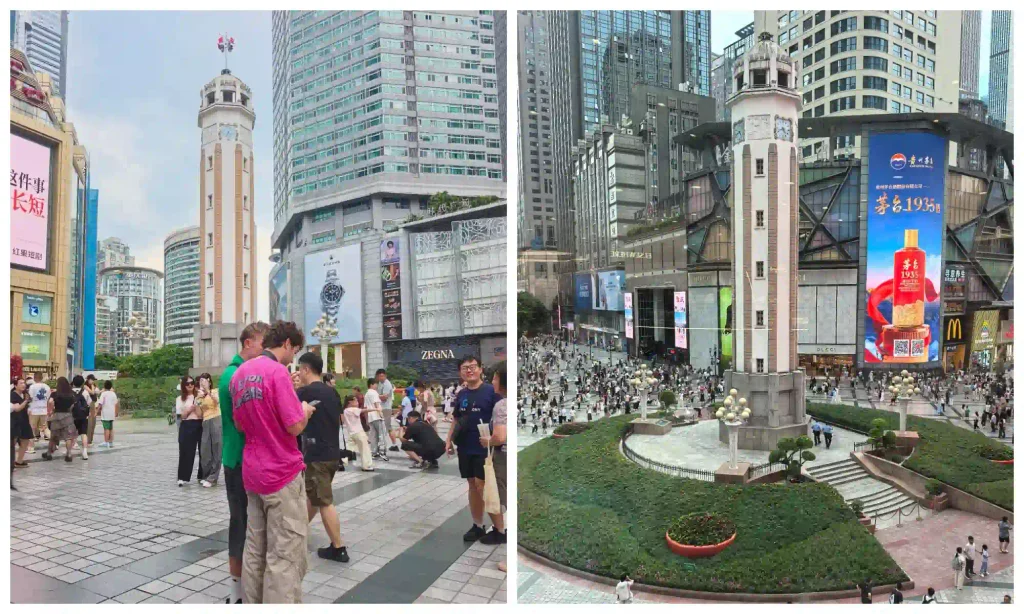
Start at Jiefangbei (解放碑), the central monument and commercial area. The monument itself is not very tall, but the square is a good place for your first city photo. Shops, restaurants, and banks surround the area.
From there, walk to Bayi Food Street (八一美食街). You can try Chongqing noodles, hot and sour rice noodles, and glutinous rice cakes. On your first day, order one main dish and one snack. This pace lets you adjust to the local flavors without feeling too full.
3.2 Lunch: Chongqing Xiaomian (重庆小面)
For lunch, try Chongqing Xiaomian (重庆小面). These alkaline noodles come with chili oil, crushed peanuts, and scallions. Ask for “mild spice” or request less chili. If the menu has no English, ask the staff for the signature dish. The meal is affordable and quick.

3.3 Afternoon: Yangtze River Cableway (长江索道) and Huguang Guild Hall (湖广会馆)
In the afternoon, take the Yangtze River Cableway (长江索道) from Yuzhong District (渝中区). The ride crosses the Yangtze River (长江) in a few minutes. From above, you can see the river, modern towers, and buildings built into the hills.
After the ride, walk to Huguang Guild Hall (湖广会馆). This group of Qing Dynasty buildings shows how migrants shaped Chongqing’s history. The two stops are close, so you can walk slowly and enjoy the views. Mind the steps and watch for wet surfaces.


3.4 Evening: Hongyadong (洪崖洞) and Qiansimen Bridge (千厮门大桥)
Hongyadong (洪崖洞) looks most attractive after dark. The stilt houses light up along the hillside, creating a layered city scene. You can take photos near the Jialing River (嘉陵江), on Qiansimen Bridge (千厮门大桥), or from nearby viewing points. The inside can be crowded, so admire the exterior first.
For dinner, try Chongqing hot pot. Order a “yuanyang” (鸳鸯) pot with spicy and clear broth. A Chongqing 3-Day Itinerary should balance famous sights with local food, and Hongyadong (洪崖洞) gives you a strong first impression of the city’s vertical streets.

4. Chongqing 3-Day Itinerary: Day Two
Day 2 focuses on nature. Wulong (武隆) lies southeast of Chongqing and is known for karst scenery, deep gorges, and open grasslands.
4.1 Full Day: Wulong (武隆)
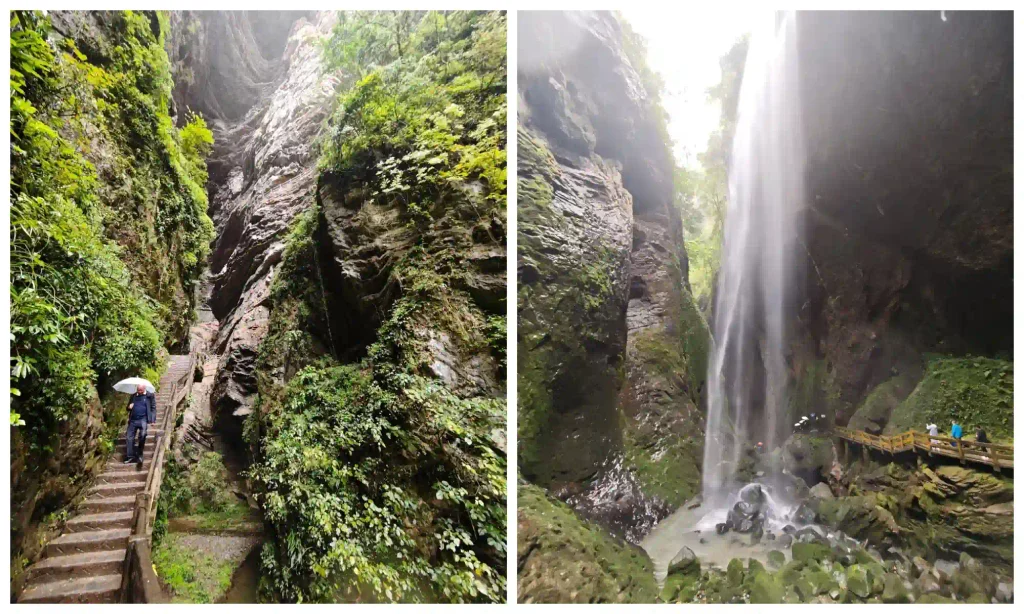
The main stops are the Tiansheng Three Bridges (天生三桥), Longshuixia Earth Gorge (龙水峡地缝), and Fairy Mountain (仙女山). The three natural bridges connect deep valleys. You walk downhill on stepped paths and stop at viewing platforms. Fairy Mountain (仙女山) has grassland, forests, and sightseeing buses.
Wulong (武隆) is about two hours from downtown Chongqing, but travel time changes with traffic. Start early and book tickets in advance. If language or transport worries you, a Chongqing Travel Agency can arrange a private car and a Chinese-speaking guide.
Compared with independent travel, a group tour reduces transfer time, waiting, and navigation problems. Contact customer service by WhatsApp or email on the website to request a detailed itinerary, price, and departure date.

4.2 Lunch: Local Wulong (武隆) Cuisine
Lunch in Wulong (武隆) often includes farm-style dishes made with local ingredients. Free-range chicken, cured pork, mushrooms, and seasonal vegetables are common choices. Ask whether a dish is spicy or contains coriander and peanuts. Tell the restaurant about allergies before ordering.
4.3 Evening: Return to Chongqing
The return drive can take more than two hours. Eat something light, such as noodle soup or home-style dishes. In the evening, sort your photos, do laundry, and confirm Day 3 plans. After a long day outdoors, rest is an important part of any Chongqing 3-Day Itinerary.
5. Chongqing 3-Day Itinerary: Day Three
Day 3 combines old-town culture, local lunch, and a classic photo stop before departure. Keep your luggage at the hotel until the afternoon.
5.1 Morning: Ciqikou Ancient Town (磁器口古镇)
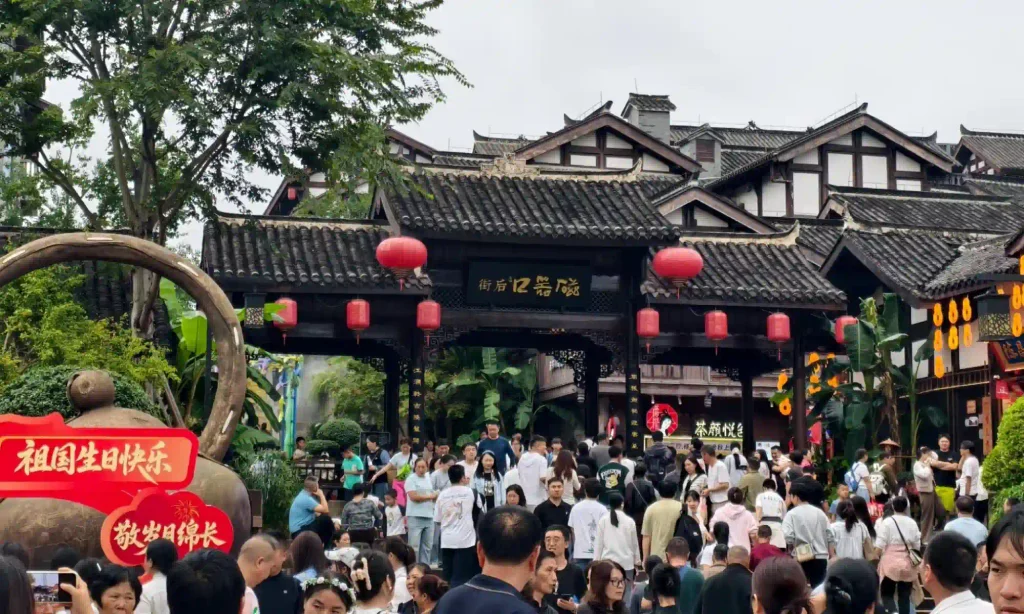
Ciqikou Ancient Town (磁器口古镇) preserves old buildings, teahouses, and small workshops. You can drink gaiwan tea, watch sugar painting, or buy Chen Mahua (陈麻花) snacks. Arrive in the morning and plan to stay two to three hours. Stone paths and steps make large luggage or strollers difficult to manage.
5.2 Lunch: Jianghu Cuisine (江湖菜)
Try Chongqing Jianghu cuisine (江湖菜) for lunch. Laziji (辣子鸡, spicy chicken), boiled fish, and twice-cooked pork are popular dishes. If you prefer mild food, ask the restaurant to reduce chili. Steamed dishes, soup, and stir-fried vegetables are good alternatives. Rest a little after lunch instead of rushing to the next stop.
5.3 Afternoon: Liziba (李子坝) and Departure
At Liziba (李子坝), you can watch the monorail pass through a residential building. The best photo spots are limited, so avoid peak times. Afterward, return to your hotel for your bags or relax in a café.
If your flight leaves in the evening, arrive at Chongqing Jiangbei International Airport (重庆江北国际机场) three to four hours early. The drive from the center takes about 40 minutes but may be longer in traffic. Ask the hotel to call a taxi or book a private transfer. A Chongqing Travel Agency can also provide a complete package with transport, tickets, and a guide, customized by group size, budget, and flight time.

6. Budget for a Chongqing 3-Day Itinerary
Prices vary by season and travel style. The following ranges suit two people traveling together with comfort in mind:
- Hotel: RMB 400–900 per night.
- Meals: RMB 200–400 per day.
- City transport: RMB 50–150 per day.
- Wulong (武隆) trip: about RMB 400–800 per person for transport, entry tickets, and guide services.
Expect to spend roughly RMB 500–1,200 per person per day. These are estimates, not fixed prices. Costs rise during holidays, weekends, and peak travel dates.
7. Food Tips for Foreign Visitors
Chongqing food is famous for spice and Sichuan pepper, but not every dish is very hot. Use short phrases such as “not spicy,” “mild,” or “no Sichuan pepper.” For hot pot, choose a yuanyang (鸳鸯) pot. If you enjoy spice, start mild; if not, choose vegetables, tofu, mushrooms, and clear broth.
Tell your server about allergies and check the menu carefully. A Chongqing 3-Day Itinerary should be enjoyable, so choose dishes that match your taste and comfort level.
8. Group Tour or Independent Travel
A Chongqing 3-Day Itinerary works for independent travelers, but a group tour can be easier for people with limited time or first-time visitors. Tours often include airport transfers, a Chinese-speaking guide, reserved tickets, and meals. This is especially useful for Wulong (武隆), where independent travel involves more driving and transfers.
If you want to compare options, contact customer service by WhatsApp or email on the website to request a detailed itinerary. A Chongqing Travel Agency can recommend the best plan based on your stay, budget, and interests.
9. FAQ: Common Questions for Foreign Tourists
9.1 Do foreign tourists need a visa for China?
Most foreign tourists need a Chinese visa in advance. The type depends on your travel purpose. Check the latest rules with a Chinese embassy, consulate, or official visa center before you book flights. This guide is travel information only and does not replace official visa policy.
9.2 Can I use international credit cards in Chongqing?
Large hotels, shopping malls, and international chain stores often accept international credit cards. Many local snack shops, taxis, and night market stalls prefer mobile payment or cash. Bring a small amount of cash and confirm with your bank that your card works in China.
9.3 Is Chongqing easy to visit without speaking Chinese?
You can manage the main tourist areas, but menus, signs, and taxi communication may be difficult. Save the Chinese names of your hotel, attractions, and the airport. Use a translation app, and consider booking a Chongqing Travel Agency with English-speaking service.
9.4 Is three days enough for Chongqing?
Yes. A Chongqing 3-Day Itinerary covers the main city sights, night views, and Wulong (武隆) nature. If you have four or five days, add Dazu Rock Carvings (大足石刻) or another ancient town. Three days is enough for the highlights, but not every attraction.
9.5 What is the weather like in Chongqing?
Summers are hot and humid. Winters are foggy, damp, and cold. Spring and autumn are best for walking. Check the forecast daily, bring an umbrella and good shoes, and allow extra time for hills and slippery steps.
10. Conclusion
A Chongqing 3-Day Itinerary offers a practical way to enjoy the city’s layered streets, hot pot, and night lights. Plan routes by district, wear comfortable shoes, and allow time for food and photos. This guide gives independent travelers a reliable starting point.
If you want one team to arrange your Chongqing 3-Day Itinerary, transport, tickets, and guide, contact customer service by WhatsApp or email on the website to request a detailed itinerary. We hope you enjoy a smooth and memorable trip.
11.Chongqing 3-Day Travel Guide: Complete Itinerary, Budget & Tips for First-Time Visitors
| Section | Content |
|---|---|
| Day 1 Morning | Attraction: Jiefangbei and Bayi Food StreetActivities: Take photos at Liberation Monument, taste local snacksTips: Try one main dish and one snack to adapt to spiciness |
| Day 1 Noon | Attraction: Local restaurant for Chongqing XiaomianActivities: Taste alkaline water noodlesTips: Order mildly spicy if you cannot stand heavy chili |
| Day 1 Afternoon | Attraction: Yangtze River Cable Car, Huguang Guild HallActivities: Ride cable car across Yangtze River, visit Qing Dynasty guild hallTips: Avoid peak hours; be careful on stairs |
| Day 1 Evening | Attraction: Hongyadong, Qiansimen BridgeActivities: Enjoy night views, eat Chongqing hot potTips: Choose yuan yang pot; view night scenery outside first when crowded |
| Day 2 Full Day | Attraction: Wulong Tiansheng Three Bridges, Fairy MountainActivities: Explore karst landscape, grasslands and forestsTips: 2h drive from downtown; book tickets in advance; guided tour recommended |
| Day 2 Noon | Attraction: Local restaurant in WulongActivities: Try free-range chicken, cured pork, wild mushroomsTips: Inform restaurant of food allergies; do not rush lunch |
| Day 2 Evening | Attraction: Back to Chongqing cityActivities: Light dinner, sort photos, confirm next day itineraryTips: Noodle soup or simple home cooking recommended |
| Day 3 Morning | Attraction: Ciqikou Ancient TownActivities: Drink gaiwan tea, watch sugar painting, buy souvenirsTips: Arrive early; stroller and large luggage not convenient on stone paths |
| Day 3 Noon | Attraction: Local restaurant for Jianghu cuisineActivities: Taste spicy chicken, boiled fish, twice-cooked porkTips: Ask to reduce chili; steamed or soup dishes for non-spicy option |
| Day 3 Afternoon | Attraction: Liziba Light Rail Station, Departure preparationActivities: Watch light rail pass through building, collect luggageTips: Arrive at airport 3–4 hours before flight; 40min drive from city center |
| Budget Guide (per person per day) | Accommodation: 400–900 RMBMeals:200–400 RMBCity transportation:50–150 RMBWulong admission & transport:400–800 RMBSouvenirs & others:100–300 RMBTotal:500–1200 RMB per person/day, higher in peak season |
| Useful Tips for Foreign Tourists | 1. Prepare passport & Chinese visa documents2. Bring bank card + small cash3. Wear comfortable non-slip sneakers4. Download offline maps, save Chinese hotel address5. Spring & fall are best visiting seasons6. Save Chinese names of attractions; use translation app |
| FAQ Highlights | Visa: Most visitors need pre-applied Chinese visaPayment: Credit cards available at malls; cash needed for small stallsLanguage: English limited in local shops; English service travel agency recommendedTime: 3 days enough for main highlights; 4–5 days to add Dazu Rock CarvingsWeather: Summer hot humid, winter foggy damp, always bring umbrella |
12.Recommended reading:
Best Places to Visit in Chongqing for First-Time Travelers
Things to Do in Chongqing: 15 Must-See Attractions and Experiences

1 Comment
[…] Chongqing 3-Day Itinerary: A Complete Travel Plan […]